Stop Watching Your Lectures: The 2026 Strategy for Faster Learning
Lecture recording fatigue is real. Most students are buried under dozens of hours of "Watch Later" videos. Here's how to stop being a passive consumer and start being a knowledge master.
 Sarah Chen
Quick Summary: Escaping the "Watch Later" Grave
- The Problem: Students have 40+ hours of recordings but zero time to watch them. This is "Lecture Recording Fatigue."
- The Science: Passive watching leads to the "Illusion of Competence." You feel like you're learning, but you're just consuming.
- The 2026 Shift: High-performers are moving from "Watching" to "Interrogating" their materials.
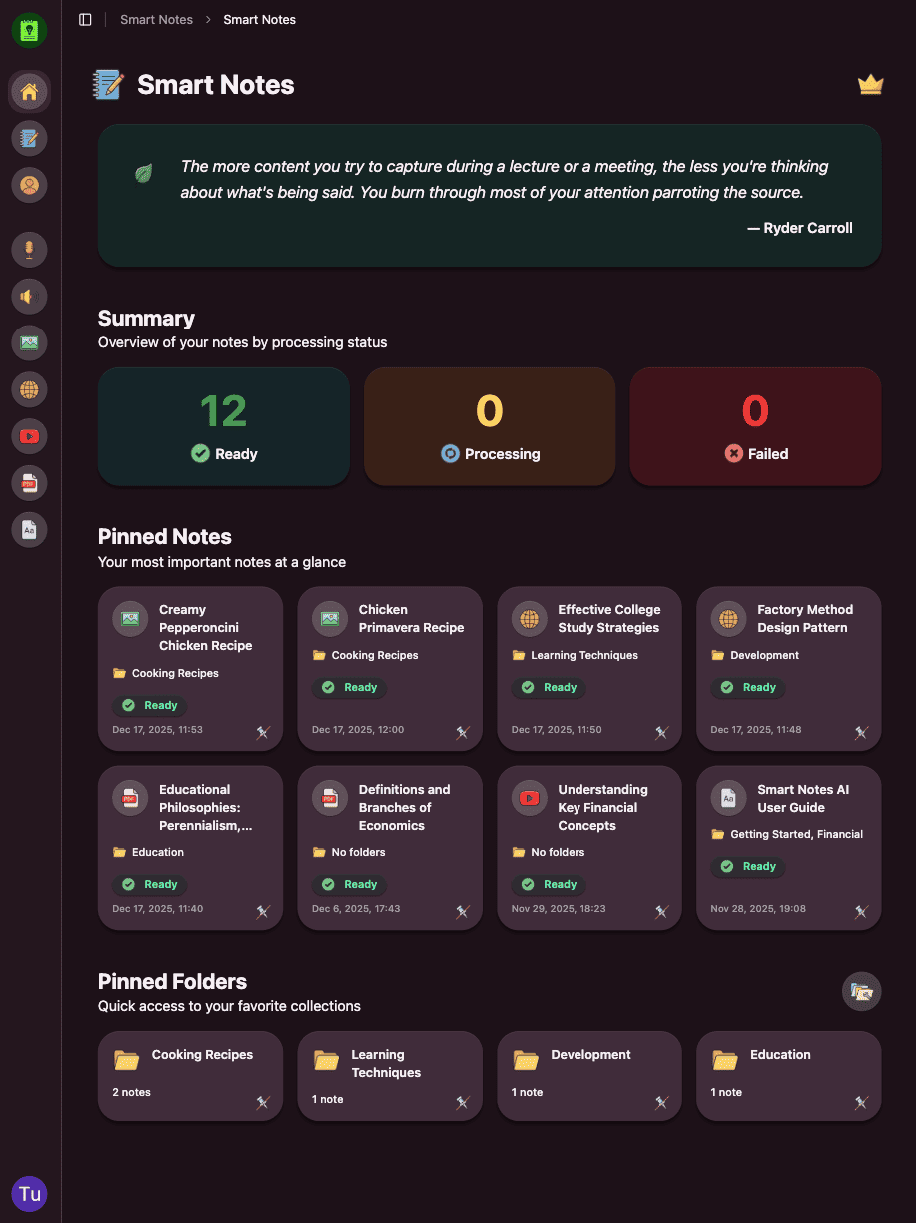
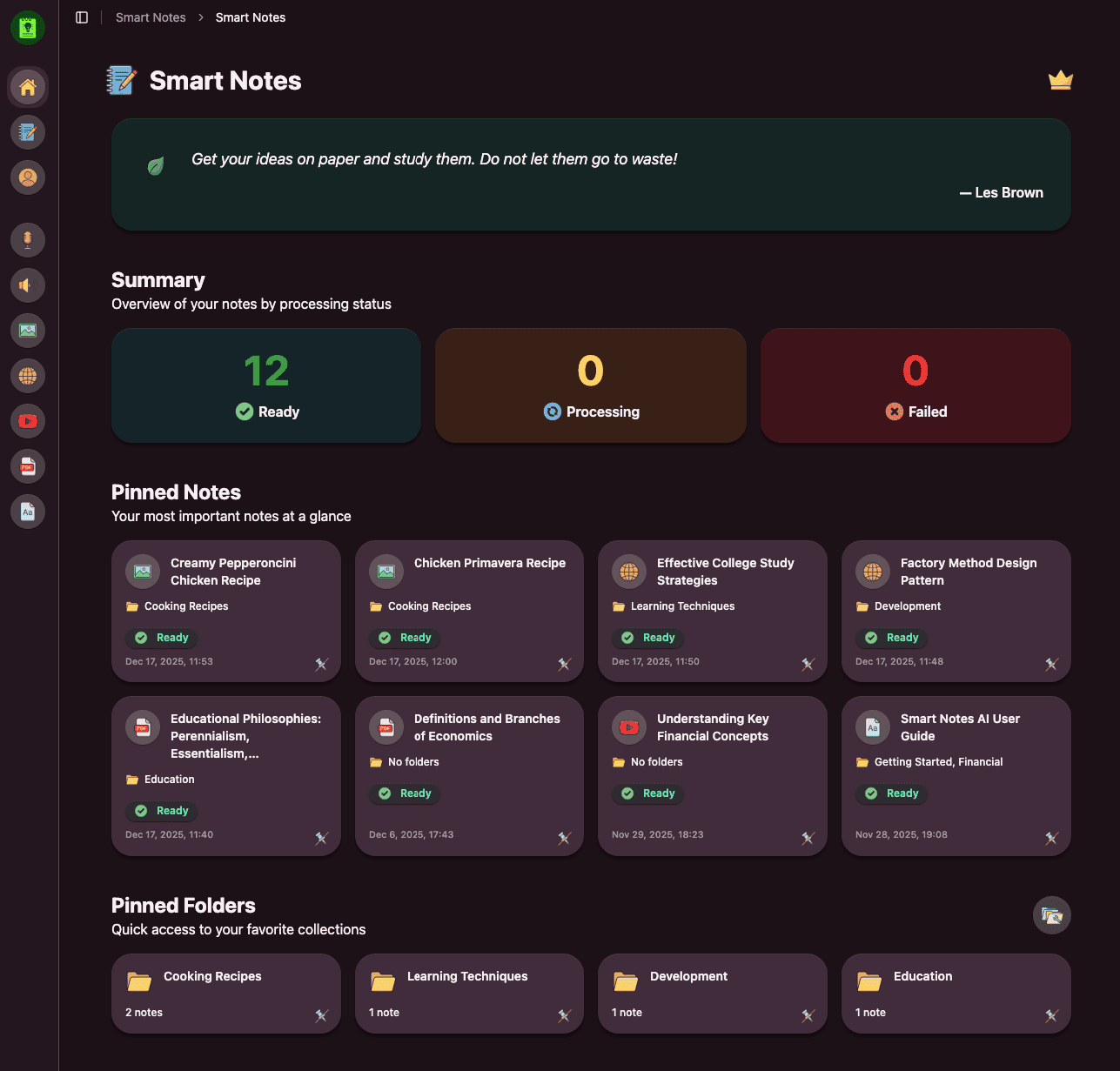
- The Fix: Automatically convert audio/video to structured notes, then use AI Chat to ask specific questions instead of re-watching the whole thing.
The Midterm Panic (And Why It's Getting Worse)
It’s 11 PM on a Tuesday. Your midterm is in 36 hours. You open your "Course Materials" folder and see it: 14 unplayed lecture recordings.
Each one is 60 to 90 minutes long. Your stomach drops. You realize that even if you watch them at 2x speed, without sleep, you barely have enough time to hear the words, let alone understand them.
This isn't just a "procrastination" problem. It's a system problem. Welcome to Lecture Recording Fatigue.
The Illusion of the "Safety Net"
In 2026, every lecture is recorded. This should be a good thing, right?
In theory, yes. In practice, these recordings act as a "false safety net." Because we know we can watch it later, we don't focus as hard in class. We tell ourselves we'll catch the details later.
But later never comes. Or when it does, we’re so overwhelmed by the backlog that we just skim, which is the least effective way to learn.
Why Watching is the Worst Way to Study
Cognitive science tells us that Passive Review (watching, reading, highlighting) is incredibly inefficient. Your brain is a "meaning-making" machine. It doesn't care about pixels on a screen; it cares about connections.
When you watch a video, your brain is on cruise control. When you interact with a concept, your brain is in the driver's seat.
The "Audio-Native" Strategy: How to 10x Your Study Density
The most successful students I know at Berkeley aren't "watching" 10 hours of video a week. They are using an Audio-Native workflow. Here is the 2026 breakdown:
1. The "1-Minute Capture"
Instead of letting a lecture recording sit as a massive video file, they immediately convert it into a structured text format. They don't want the video; they want the architecture of the information.
2. Scanning for "Aha!" Moments
They read the executive summary first. If they find a concept they don't understand (like neural backpropagation), they jump directly to that specific section of the transcript or notes.
3. Interrogating the Material
Instead of re-watching the professor explain it three times, they open an AI Chat and say: "Explain the last 5 minutes of this lecture using a sports analogy." This forces the information to adapt to their brain, rather than forcing their brain to adapt to the video.
Moving from "Storage" to "Mastery"
The pain point isn't that you don't have enough information. The pain point is that the information is inaccessible.
This is why we built the audio processing and chat features in MasteryAI. We wanted to give students a way to "talk" to their lectures.
- Stop Transcribing: Let the AI handle the lecture-to-note conversion. Your job is to think, not type.
- Micro-Learning: Turn a 60-minute lecture into 5 minutes of high-density review.
- The "Ask" Mode: If you missed a point during the live lecture because you were distracted, don't re-watch the whole hour. Just ask: "What were the three requirements for the final project mentioned at the end?"
The Bottom Line: Your Time is Your Only Asset
Each hour you spend "watching" a video you've already seen (or should have seen) is an hour you aren't spending on Deep Work or, frankly, relaxing so you don't burn out.
In 2026, the "smart" student isn't the one with the most notes. It's the one with the most mental space.
Stop being a consumer. Start being a master.
About the Author: Sarah Chen is a CS and Biology student at UC Berkeley. She’s obsessed with building "personal operating systems" that make being a student less stressful and more fun.
Ready to learn faster?
Paste any YouTube URL, upload a PDF, or record a lecture and get a structured summary in seconds.